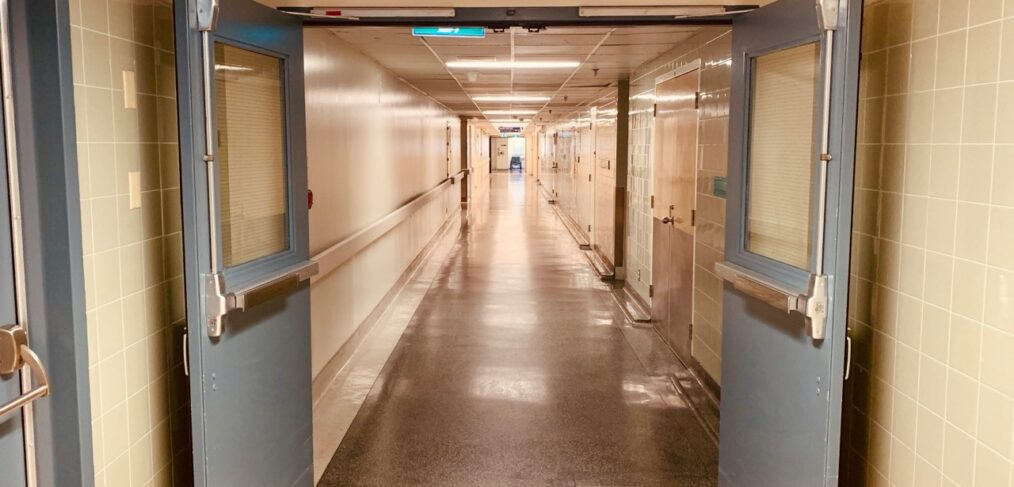
Fire Door Defects

7 Common Fire Door Defects Found During Inspections

Fire doors are designed to save lives by slowing the spread of fire and smoke. However, during routine inspections, it’s common to find defects that could prevent them from performing as intended in an emergency.

Many of these issues develop gradually through everyday use and are often easy to miss without a professional inspection.

Here are seven of the most common defects our FireQual-certified engineers encounter.

  1. Damaged or Missing Smoke Seals

Intumescent and smoke seals play a vital role in limiting the spread of fire and smoke. If they’re damaged, painted over or missing altogether, the fire door may no longer provide its intended level of protection.

  1. Excessive Gaps Around the Door

Incorrect gaps between the door and frame can allow fire and smoke to spread more quickly. The latest BS 8214:2026places greater emphasis on correct installation tolerances and maintaining the complete fire door assembly.

  1. Faulty Self-Closers

A fire door should close fully under its own power and latch securely every time. Doors that stick open, slam shut or fail to latch properly should be investigated.

  1. Incorrect Replacement Hardware

Over time, locks, hinges, handles and other ironmongery are often replaced. If compatible fire-rated components aren’t used, the performance of the entire fire door assembly can be affected.

  1. Damaged Door Leaves or Frames

Impact damage, holes, deep scratches or poorly repaired sections can reduce a fire door’s ability to resist fire and smoke.

  1. Unauthorised Alterations

Additional locks, cable holes, signage, kick plates or glazing modifications may seem harmless but can affect the door’s certified performance if not carried out correctly.

  1. Poor Maintenance Records

Regular inspections and documented maintenance help demonstrate that fire doors are being managed responsibly. Keeping accurate records also makes it easier to plan repairs before defects become more serious.
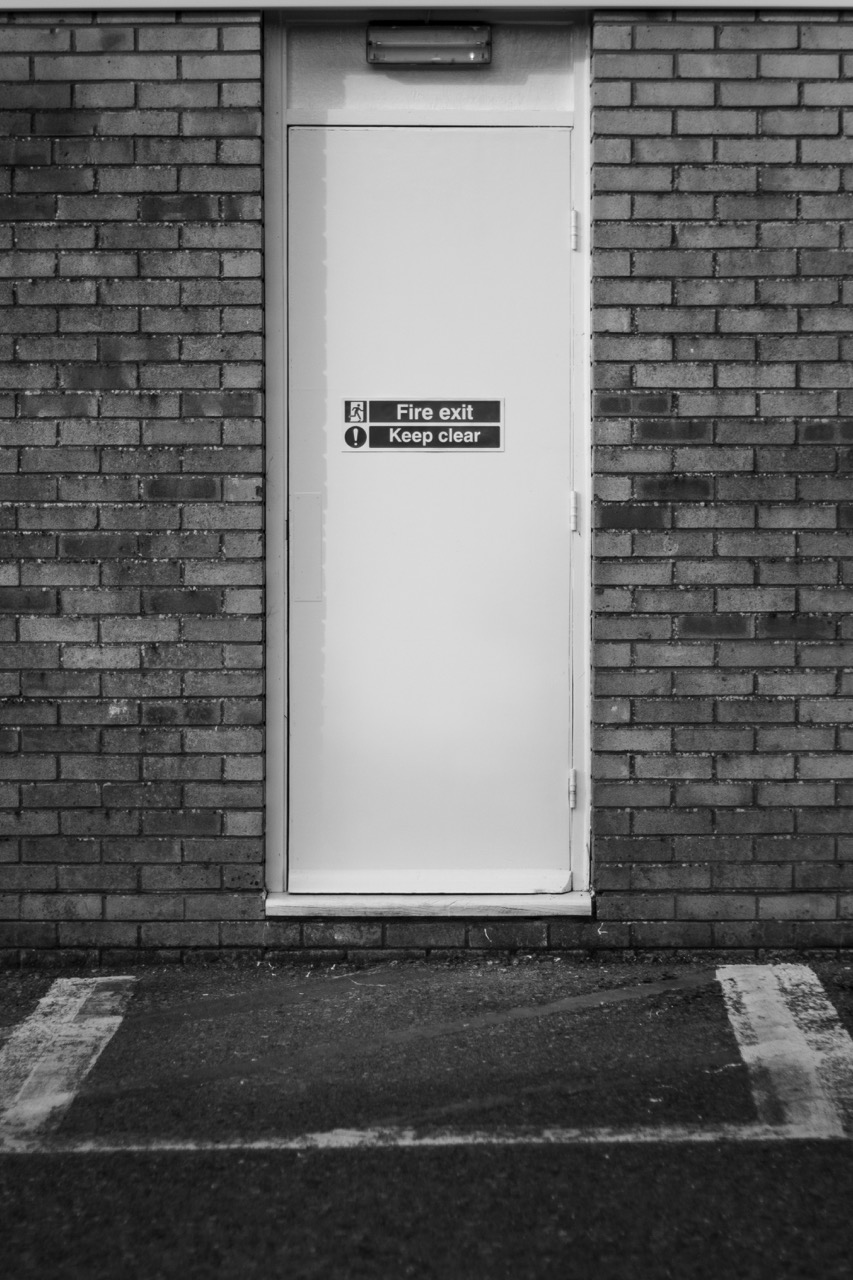
Fire Door Defects and inspections

Don’t Wait for a Fire Risk Assessment

Many fire door defects aren’t obvious until they’re inspected by a competent person. Identifying issues early helps protect building occupants, supports compliance and can reduce the cost of future repairs.

At John Murphy & Company Ltd, our FireQual-certified engineers carry out detailed fire door inspections, repairs and planned maintenance for schools, offices, care homes and commercial buildings.

If it’s been a while since your fire doors were professionally inspected, we’d be happy to help.

BS 82142026 fire safety

BS 8214:2026 – What Does the New Fire Door Standard Mean for Your Building?

Fire doors are one of the most important safety features in any commercial building – but only if they’re correctly installed, regularly inspected and properly maintained.

In March 2026, the British Standards Institution (BSI) published BS 8214:2026, replacing the 2016 edition. While it isn’t a legal requirement, it sets out the latest industry best practice for the specification, installation, inspection and maintenance of fire-resisting and smoke control doors.

For Facilities Managers and Responsible Persons, it’s an important reminder that fire door compliance doesn’t end once a door has been installed.

What’s Changed?

Fire Doors Are Treated as Complete Assemblies

The most significant update is that a fire door is now considered a complete door assembly, rather than simply the door leaf. Every component including the frame, hinges, glazing, intumescent and smoke seals, locks, closers and ironmongery must work together exactly as originally tested and certified.

A Wider Range of Door Types

The previous edition focused primarily on timber fire doors. BS 8214:2026 now covers timber, steel, aluminium and composite fire doors, reflecting the systems commonly found across today’s commercial buildings.

Greater Focus on Smoke Control

Smoke is responsible for many fire-related injuries and fatalities, so the revised standard places greater emphasis on limiting smoke spread. It includes tighter guidance on smoke seals, threshold gaps, leakage performance and installation tolerances, recognising that even small defects can affect how a fire door performs in an emergency.

Higher Standards for Installation and Maintenance

The standard also provides clearer guidance on installation quality, including frame-to-wall sealing, door clearances, compatible hardware and quality assurance. Combined with regular inspections and maintenance, these measures help ensure fire doors continue to perform as intended throughout their service life.

Fire Door Safety BS 82142026

What Does This Mean for You?

If your fire doors haven’t been inspected recently, now is the ideal time.

Everyday wear and tear can lead to damaged seals, worn hinges, faulty self-closers, excessive gaps or replacement hardware that no longer matches the original certification. Left unchecked, these seemingly minor issues can compromise a fire door’s performance when it’s needed most.

Routine inspections help identify defects early, support your fire risk assessment and demonstrate a proactive approach to building safety and compliance.

How JM&CO Can Help

At John Murphy & Company Ltd, we help commercial clients keep their buildings safe with professional fire door inspections, repairs and planned maintenance.

Our FireQual-certified engineers are trained to inspect the complete fire door assembly, checking hinges, glazing, intumescent and smoke seals, ironmongery, self-closers and frame gaps to ensure every component is working as intended.

Following each inspection, you’ll receive a clear report highlighting any defects, practical recommendations and prioritised remedial works, making it easier to plan maintenance and demonstrate compliance.

Whether you manage a school, office, leisure centre or a portfolio of commercial properties, we can provide one-off inspections, remedial repairs or ongoing planned maintenance to keep your fire doors performing to current best practice.

With the introduction of BS 8214:2026, there’s never been a better time to review your fire doors. If you’d like confidence that your building is meeting the latest industry standards, our team is here to help.

Fire Door Companies Bucks

Fire Door Maintenance: Why It Matters for Safety and Compliance

Fire doors are one of the most important life safety features in any commercial building. When installed and maintained correctly, they help contain fire and smoke, protect escape routes, and give occupants valuable time to evacuate safely.

With the publication of BS 8214:2026, there is now even greater emphasis on ensuring fire doors are correctly installed, routinely inspected and maintained throughout their service life. While the updated standard isn’t new legislation, it reinforces industry best practice and highlights the importance of maintaining the complete fire door assembly—not just the door itself.

Fire Door Maintenance Is More Than a Visual Check

A fire door is only effective if every component continues to perform as originally tested and certified. This includes the door leaf, frame, hinges, glazing, intumescent and smoke seals, locks, ironmongery and self-closing devices.

Typical maintenance checks include:

  • Ensuring the door closes fully and latches correctly.
  • Checking for damage, warping or excessive gaps.
  • Inspecting intumescent and smoke seals.
  • Testing self-closing devices for correct operation.
  • Confirming hinges, locks and ironmongery are secure and compatible with the fire door assembly.

Even seemingly minor defects can significantly reduce a fire door’s ability to contain fire and smoke.

Your Responsibilities

Under UK fire safety legislation, the Responsible Person—such as a building owner, employer, landlord or Facilities Manager—must ensure fire doors are kept in efficient working order through regular inspection, maintenance and prompt repair of any defects.

Routine inspections help identify issues before they become serious safety risks, support your fire risk assessment and provide documented evidence that fire doors are being proactively maintained. In higher-risk or high-traffic buildings, more frequent inspections may be appropriate.

Why Competent Maintenance Matters

Fire doors are certified life safety products and should only be repaired or maintained using compatible components and approved methods. Incorrect repairs, unsuitable replacement hardware or unauthorised alterations can compromise the performance of the entire door assembly.

That’s why BS 8214:2026 places greater emphasis on competent installation, inspection and ongoing maintenance to ensure fire doors continue to perform as intended throughout their lifetime.

Fire Door Maintenance Company